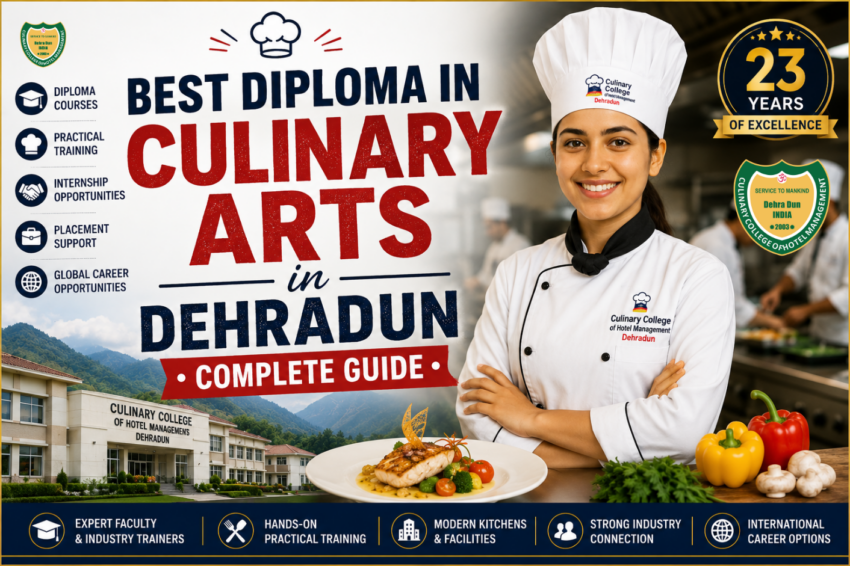
Best Diploma in Culinary Arts in Dehradun: Complete Guide for 2026
If you are passionate about cooking and dream of becoming a professional chef, choosing the right culinary institute is one of the most important decisions you will make. A good culinary course should not only teach you recipes but also develop your practical skills, kitchen discipline, food safety knowledge, creativity, teamwork and professional confidence.
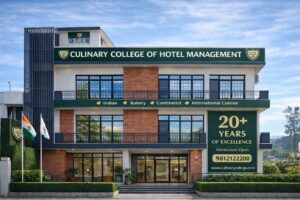
For students searching for the best Diploma in Culinary Arts in Dehradun, Culinary College of Hotel Management (CCHM) is an option worth considering because of its long association with hospitality education, practical-oriented training and industry exposure.
CCHM was established in 2003 and offers professional culinary education with a strong emphasis on practical learning. Its Diploma in Culinary Arts/Food Production programme is designed for students who want to develop professional cooking and food-production skills and prepare for careers in hotels, restaurants, resorts, cruise hospitality, catering and other food-service businesses.
In this guide, we will explain what a Diploma in Culinary Arts is, what students learn, why practical training matters, how to choose a culinary college in Dehradun, career opportunities after the course, and why CCHM can be considered by aspiring chefs.
What is a Diploma in Culinary Arts?
A Diploma in Culinary Arts is a professional programme focused primarily on food preparation, cooking techniques, kitchen operations and culinary skills.
Unlike a general hotel management course that covers several hotel departments, culinary education concentrates more specifically on the food-production side of hospitality.
Students can learn areas such as:
- Food preparation
- Professional cooking techniques
- Indian cuisine
- Continental cuisine
- Chinese and Oriental cuisine
- Tandoor
- Bakery and pastry fundamentals
- Food presentation
- Kitchen organisation
- Food safety and hygiene
- Menu planning
- Food costing
- Kitchen equipment
- Professional kitchen discipline
- Teamwork and time management
The objective is to help students transform their interest in cooking into practical professional skills.
Why Choose a Diploma in Culinary Arts in Dehradun?
Dehradun has developed into an important education destination in Uttarakhand. Students from Dehradun as well as other parts of Uttarakhand can consider the city for professional culinary and hospitality education.
There are several reasons students may choose to study culinary arts in Dehradun.
1. A Student-Friendly Learning Environment
Dehradun is known as an education hub and offers students an environment focused on education and professional development.
For students from Uttarakhand who want to study culinary arts without immediately moving to a major metropolitan city, Dehradun can be a convenient option.
2. Growing Hospitality Opportunities
The hospitality industry includes hotels, restaurants, resorts, cafés, bakeries, catering companies, cruise lines and other food-service businesses.
Professional culinary skills can therefore provide students with multiple career directions.
3. Practical-Oriented Education
Culinary education is a skill-based field. Students need to practise cooking techniques, food preparation, presentation and kitchen operations rather than simply study them from textbooks.
This is why practical training should be one of the most important factors when choosing a culinary arts course in Dehradun.
4. Industry Exposure
A good culinary programme should help students understand how professional kitchens operate.
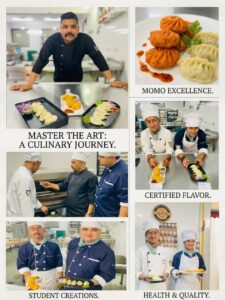
CCHM’s culinary programme includes practical kitchen training followed by industrial exposure, allowing students to experience professional working environments.
Why Choose Culinary College of Hotel Management, Dehradun?
When students search online for the best Diploma in Culinary Arts in Dehradun, they should compare colleges based on practical training, curriculum, faculty, facilities, industrial exposure, batch size and career support rather than looking only at promotional claims.
Culinary College of Hotel Management has been operating in the culinary and hospitality education field since 2003.
Here are some of the factors students can consider.
1. Established Since 2003
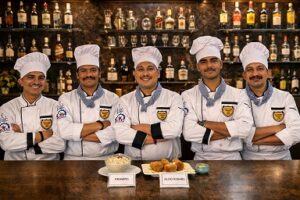
CCHM has been providing culinary and hospitality education in Dehradun since 2003.
More than two decades of institutional experience provides a foundation for developing hospitality-focused programmes and training students for the industry.
2. 80% Practical Training Approach
One of the strongest features of modern culinary education is practical exposure.
At CCHM, the culinary programme places significant emphasis on practical aspects of food preparation and cooking.
Practical training helps students:
- Develop cooking skills
- Improve speed and efficiency
- Learn kitchen discipline
- Understand professional hygiene
- Build confidence
- Work as part of a kitchen team
- Handle professional kitchen equipment
- Improve food presentation
For someone planning a career as a chef, these skills can be more valuable than simply memorising recipes.
Read more about why 80% practical training is better than theory.
What Will You Learn in a Diploma in Culinary Arts?
A good culinary programme should provide exposure to different areas of professional food production.
Indian Cuisine
Indian cuisine is one of the most diverse culinary traditions in the world.
Students can develop knowledge of:
- Indian gravies
- Rice preparations
- Indian breads
- Vegetable preparations
- Meat and poultry dishes
- Regional cooking styles
- Spices and ingredients
- Traditional cooking techniques
Continental Cuisine
Continental cooking introduces students to international culinary methods and preparations.
Students can learn about:
- Soups
- Sauces
- Pasta
- Vegetables
- Meat preparations
- Breakfast preparations
- Basic plating
- International cooking techniques
Chinese and Oriental Cuisine
Students can develop an understanding of ingredients, sauces and cooking methods used in Chinese and Oriental food preparation.
Practical training can include stir-frying, sauces, noodles, rice preparations and other popular dishes.
Tandoor
Tandoor is an important part of Indian food production and is widely used in restaurants and hotels.
Students can learn techniques associated with:
- Tandoori breads
- Kebabs
- Tandoori vegetables
- Tandoori chicken
- Marinades
- Tandoor safety
Bakery and Patisserie
Students interested in baking can also develop basic bakery and pastry skills.
If bakery is your particular area of interest, you can explore the Bakery and Patisserie course at CCHM.
Practical Training: The Heart of Culinary Education
A chef’s profession is highly practical.
You cannot become a professional chef simply by reading about cooking. You need to practise.
This is why students should ask a simple question before selecting a culinary institute:
How much practical training will I actually receive?
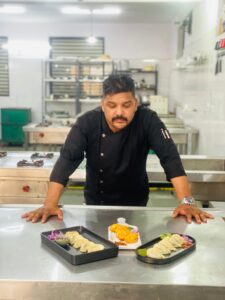
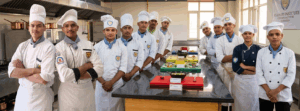
At CCHM, students work in practical kitchen sessions and are trained in food preparation and cooking. The programme also uses a small-batch approach, with the official course information listing a batch size of 15 students.
A smaller practical batch can allow students to receive more individual attention during training.
Practical training helps students learn:
Knife Skills:
Students practise professional cutting and preparation techniques.
Mise en Place:
Students learn how professional kitchens organise ingredients and preparation before service.
Cooking Techniques:
Students practise different cooking methods instead of only reading about them.
Presentation:
Students learn how appearance contributes to the overall dining experience.
Kitchen Hygiene:
Students develop awareness of cleanliness, food safety and professional kitchen discipline.
Time Management:
Students learn to prepare multiple components within a limited time.
Course Duration and Training Structure
The official CCHM culinary programme describes the Diploma in Culinary Arts/Food Preparation and Cooking as a 12-month programme. The programme includes practical learning followed by six months of live industrial training in hotels and fine-dining restaurant environments.
This combination is valuable because students can first develop their basic skills in the institute and then experience the professional working environment.
The transition can be broadly understood as:
Classroom Knowledge → Practical Kitchen Training → Industrial Exposure → Professional Skills → Career
Students should always confirm the current course structure, intake, fees and training arrangements directly with the college before admission.
Industrial Training and Real-World Exposure
Classroom practicals are important, but professional industry exposure can provide another level of learning.
CCHM states that students receive on-the-job training opportunities in hotel environments, where they can learn under working supervisors and managers. The institute also provides training and placement assistance to eligible and deserving students.
Industrial exposure can help students understand:
- Professional kitchen hierarchy
- Workplace discipline
- Kitchen communication
- Food production schedules
- Guest expectations
- Team coordination
- Professional grooming
- Speed and efficiency
- Real workplace challenges
This experience can help bridge the gap between education and employment.
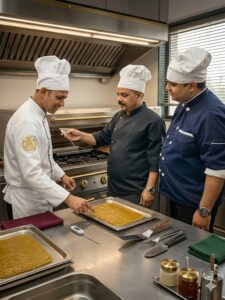
Who Can Join a Diploma in Culinary Arts?
A Diploma in Culinary Arts can be suitable for students who are interested in food and hospitality and want a career based on practical skills.
According to CCHM’s current course information, the programme is open to students who have passed Class 10, with the stated minimum age being 17.
The programme can be suitable for:
- Class 10 pass students
- Class 12 pass students
- Aspiring chefs
- Students interested in hotel careers
- Food enthusiasts
- Students interested in restaurants
- Future food entrepreneurs
- Students interested in international hospitality
Always check the latest admission requirements before applying.
Career Options After Diploma in Culinary Arts
One of the biggest advantages of culinary education is the variety of career possibilities.
After completing the course and gaining appropriate experience, students can explore roles such as:
Commis Chef
A commis chef generally works as an entry-level culinary professional and learns the operations of a professional kitchen.
Chef de Partie
With experience and skill development, culinary professionals can progress into specialised kitchen sections.
Bakery or Pastry Professional
Students interested in baking can develop careers in bakeries, hotels, cafés and pastry kitchens.
Catering Professional
Culinary skills can also be used in catering companies and large-scale food production.
Restaurant Professional
Restaurants provide opportunities in food preparation and kitchen operations.
Cruise Ship Chef
Cruise hospitality can be an attractive career option for professionals who meet the employer’s qualifications and experience requirements.
Food Entrepreneur
Some culinary graduates eventually start their own:
- Restaurant
- Café
- Bakery
- Cloud kitchen
- Catering business
- Food-service venture
Culinary education can therefore provide a foundation not only for employment but also for entrepreneurship.
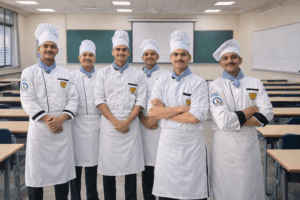
International Career Opportunities
One of the major attractions of hospitality careers is their international nature.
Qualified and experienced hospitality professionals may explore opportunities in different countries depending on their skills, qualifications, employer requirements and applicable work regulations.
Potential international hospitality markets include:
- UAE
- Mauritius
- Maldives
- Thailand
- France
- Germany
- Japan
- Other international destinations
- Cruise hospitality
CCHM reports that its students have undertaken training in five-star hotels in India and abroad and that the institute provides placement assistance.
Students should always verify the specific employer, salary, visa, accommodation, contract and work-permit conditions before accepting any international opportunity.
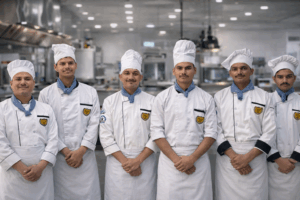
Diploma in Culinary Arts vs Hotel Management Course
Students often become confused between culinary arts and hotel management.
The main difference is the area of specialisation.
| Diploma in Culinary Arts | Diploma in Hotel Management |
|---|---|
| Focuses primarily on food production | Covers multiple hotel departments |
| Strong emphasis on cooking | Includes hotel operations |
| Suitable for aspiring chefs | Suitable for broader hospitality careers |
| Kitchen-focused practical training | Front office, F&B, housekeeping and kitchen |
| Food preparation and culinary techniques | Overall hotel operations |
If your primary goal is to become a chef, a culinary arts programme may be more specialised.
If you want to understand multiple hotel departments, a Diploma in Hotel Management may be more suitable.
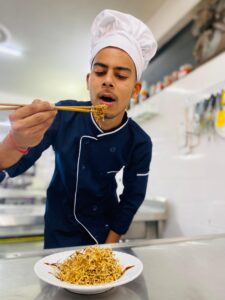
What Makes a Good Culinary College?
Before choosing the best Diploma in Culinary Arts in Dehradun, don’t select an institute only because its advertisement says “best.”
Instead, compare these factors.
1. Practical Training
Ask how much time students spend actually working in the kitchen.
2. Training Facilities
Look for professional training kitchens and appropriate equipment.
3. Faculty
Experienced chef trainers can provide practical guidance that goes beyond textbooks.
4. Batch Size
Smaller practical batches can allow greater individual attention.
5. Industrial Training
Find out whether the course includes exposure to real hotel or restaurant operations.
6. Course Curriculum
Check whether the programme covers the cuisines and skills relevant to your career goals.
7. Placement Assistance
Ask what type of career and placement assistance the institute provides.
8. Industry Exposure
Look for internships, training opportunities and interaction with hospitality professionals.
9. Career Guidance
Good career counselling can help students understand the different paths available after graduation.
10. Institute Experience
An established institute can provide students with the benefit of accumulated experience in hospitality education.
Why Dehradun Students Should Consider Culinary Careers
Students in Uttarakhand have access to a growing hospitality sector and can also explore career opportunities outside the state.
A culinary career is not restricted to one city.
A student can begin training in Dehradun and potentially build a career in:
Dehradun → India → International Hospitality
The hospitality industry includes hotels, resorts, restaurants, cafés, catering companies, cruise ships and other food-service businesses.
With the right skills, experience and professional attitude, culinary students can continue developing throughout their careers.
Is a Diploma in Culinary Arts a Good Career Choice?
A culinary career can be rewarding for students who genuinely enjoy food, cooking and hospitality.
However, students should understand that professional kitchens require:
- Discipline
- Hard work
- Punctuality
- Physical stamina
- Teamwork
- Creativity
- Patience
- Continuous learning
Being a chef is much more than cooking at home.
Professional chefs need to work according to standards, maintain hygiene, manage time, coordinate with teams and consistently produce quality food.
If you enjoy this environment, culinary arts can become a meaningful career path.
Frequently Asked Questions
Which is the best Diploma in Culinary Arts in Dehradun?
There is no single objective definition of “best.” Students should compare practical training, curriculum, faculty, facilities, industrial exposure, batch size and career support. Culinary College of Hotel Management, Dehradun is an established option, having provided culinary and hospitality education since 2003.
What is the duration of the Diploma in Culinary Arts at CCHM?
CCHM’s current official course page describes the Diploma in Culinary Arts/Food Preparation and Cooking as a 12-month programme, including six months of industrial training.
What is the eligibility for Diploma in Culinary Arts?
CCHM’s current course information states 10th pass eligibility and a minimum age of 17. Students should confirm the latest requirements with the institute before admission.
Is practical training important in culinary education?
Yes. Cooking is a skill-based profession, so hands-on training is essential for developing kitchen skills, confidence, speed, hygiene practices and professional discipline.
Can I become a chef after a Diploma in Culinary Arts?
Yes. A culinary diploma can provide foundational training for entry-level chef and food-production positions. Career progression depends on practical skills, experience, performance and further professional development.
Can I work abroad after completing culinary arts?
International opportunities may be available depending on your qualifications, experience, employer requirements and immigration regulations. Hospitality professionals can explore markets such as the UAE, Mauritius, Maldives, Thailand, Europe and cruise hospitality.
Is Culinary Arts better than Hotel Management?
It depends on your career goal. If you specifically want to become a chef, culinary arts provides more specialised food-production training. Hotel management is broader and covers several hotel departments.
Can I start my own restaurant after a culinary course?
Yes. Culinary education can provide useful food-production and kitchen-management knowledge for future entrepreneurs. However, running a successful restaurant also requires business, finance, marketing, operations and management skills.
How to Apply for a Diploma in Culinary Arts in Dehradun
If you are planning to join a Diploma in Culinary Arts in Dehradun, start by comparing the course curriculum, eligibility, practical training, industrial exposure, fees, batch size and career support.
CCHM currently provides an online admission facility where students can select Diploma in Culinary Arts/Food Production as their preferred programme.
You can also contact Culinary College of Hotel Management, Dehradun for current admission information, course fees, batch dates and eligibility.
Final Thoughts
Choosing the best Diploma in Culinary Arts in Dehradun is not simply about finding the college with the most attractive advertisement.
The right question is:
Which institute can provide the practical skills, industry exposure and professional foundation I need for my career?
Culinary College of Hotel Management, Dehradun has been providing culinary and hospitality education since 2003 and focuses strongly on practical culinary training and industry exposure. Its Diploma in Culinary Arts/Food Production programme combines classroom learning with practical kitchen training and industrial experience.
For students who dream of becoming professional chefs, working in hotels and restaurants, exploring cruise hospitality, developing international career opportunities or eventually starting their own food business, a well-designed culinary programme can be the first important step.
Start Your Culinary Journey
Culinary College of Hotel Management, Dehradun
Established Since 2003
Learn the skills. Practise the craft. Build your culinary career.
Explore the Diploma in Culinary Arts | View Hotel Management Course | Contact CCHM