
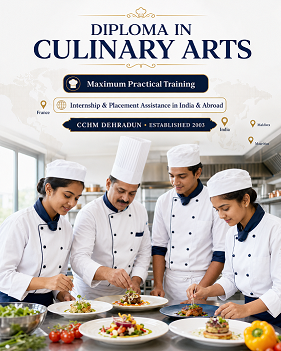
Diploma in Culinary Arts in Dehradun: Start Your Career as a Professional Chef
Do you love cooking? Do you want to become a professional chef and work in hotels, resorts, restaurants, bakeries or cruise lines? Would you like to find career opportunities in India or other countries?
If your answer is yes, the Diploma in Culinary Arts at Culinary College of Hotel Management (CCHM), Dehradun can be a good choice for you.
Cooking is no longer only a household skill. Today, it is a professional career with opportunities in hotels, resorts, restaurants, cafés, bakeries, catering companies and international hospitality organisations.
CCHM provides practical culinary training to help students develop the skills needed in a professional kitchen. Students learn different cuisines, cooking methods, kitchen safety, food presentation and professional behaviour.
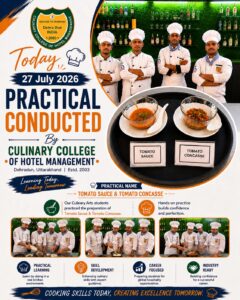
About Culinary College of Hotel Management
The Culinary College of Hotel Management was established in 2003. It is one of the oldest hospitality and culinary training colleges in Dehradun.
For more than 23 years, CCHM has been helping students prepare for careers in the hotel and hospitality industry. The college focuses on practical learning, personal attention, professional discipline and career guidance.
An experienced college understands what hotels and restaurants expect from new employees. It also understands the training needs of students who are learning professional cooking for the first time.
At CCHM, students learn from the basic level. They do not need professional cooking experience before joining the course. Our chef faculty guides them step by step and helps them become more confident in the kitchen.
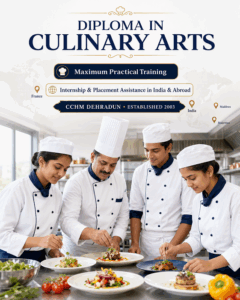
What Is a Diploma in Culinary Arts?
A Diploma in Culinary Arts is a skill-based professional course for students who want to become chefs or work in food production.
The course teaches students how to prepare food in a professional kitchen. It covers cooking techniques, ingredients, kitchen equipment, hygiene, food safety and presentation.
Students may learn about:
- Indian cuisine
- Chinese cuisine
- Continental cuisine
- Tandoor cooking
- Soups, salads and sauces
- Stocks and basic preparations
- Bakery and confectionery basics
- Food plating and presentation
- Kitchen hygiene and safety
- Food storage methods
- Menu planning
- Basic food costing
- Kitchen equipment handling
- Professional kitchen operations
Students do not only learn recipes. They also learn why different ingredients and cooking methods are used. This helps them understand food preparation in a better way.
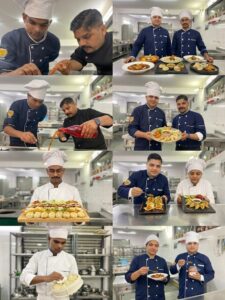
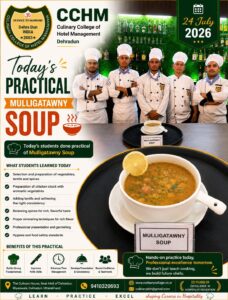
Maximum Practical Training
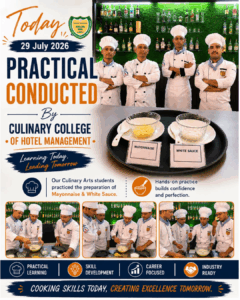
Cooking cannot be learned only by reading books. Students must prepare dishes, use kitchen equipment, understand ingredients and practise cooking techniques regularly.
For this reason, CCHM gives maximum importance to practical training. The training approach is approximately 80% practical and 20% theory.
Theory helps students understand the basic rules of cooking. Practical classes help them use this knowledge in a real kitchen environment.
Regular practical training helps students improve their:
- Cutting and chopping skills
- Knowledge of ingredients
- Cooking speed
- Time management
- Food taste and texture
- Plating and presentation
- Kitchen discipline
- Teamwork
- Confidence
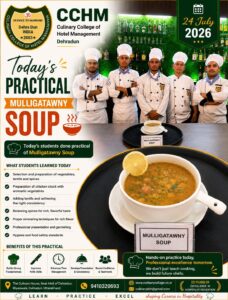
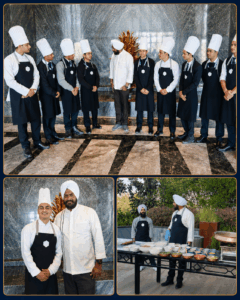
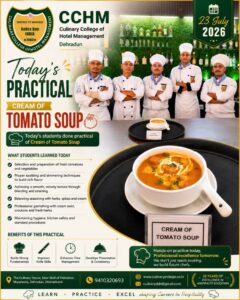
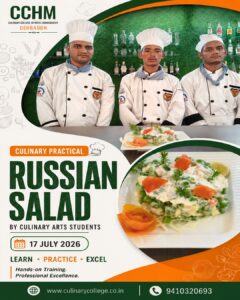
During practical classes, students prepare different recipes under the guidance of experienced chef faculty. The faculty checks their work, explains their mistakes and teaches them how to improve.
Students start with basic skills and slowly move towards more professional preparations. Regular practice helps them become comfortable with kitchen equipment and cooking methods.
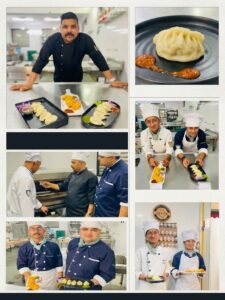
Only 15 Students in Each Batch
Batch size is very important in a culinary course. If there are too many students in one batch, every student may not get enough time to use the kitchen equipment or prepare dishes.
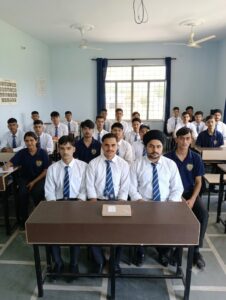
CCHM keeps small batches with only 15 students in each batch. This allows the chef faculty to give better attention to every student.
The benefits of a small batch include:
- More personal attention
- Better communication with faculty
- More participation in practical classes
- More time to use kitchen equipment
- Quick correction of mistakes
- Better monitoring of each student
- More confidence during training
We believe that quality training is more important than having a large number of students. Small batches help students take an active part in each practical session.
Training by Experienced Chef Faculty
Good training requires experienced teachers. CCHM students receive training under the guidance of experienced chef faculty.
The faculty does more than teach recipes. It helps students understand how a professional kitchen works.
Students learn about:
- Kitchen discipline
- Personal hygiene
- Professional grooming
- Correct use of uniforms
- Safe handling of food
- Teamwork
- Time management
- Food quality
- Kitchen responsibilities
- Workplace behaviour
The chef faculty observes students during practical classes and gives them advice for improvement. This regular guidance helps students understand their strengths and weaknesses.
Students are encouraged to ask questions, practise regularly and improve their skills.
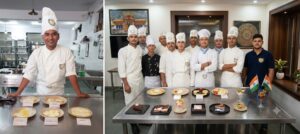
Professional Kitchen Skills
A chef is responsible for more than cooking tasty food. A professional chef must understand food preparation, hygiene, safety, teamwork, presentation and kitchen management.
The Culinary Arts course helps students develop different professional skills.
Food Preparation
Before cooking begins, ingredients must be selected, washed, peeled, cut and prepared correctly. Students learn how to prepare ingredients for different dishes.
Cooking Methods
Students are introduced to common cooking methods such as boiling, steaming, grilling, roasting, frying, sautéing and baking.
Food Presentation
The appearance of a dish is also important. Students learn the basics of plating, garnishing and portion presentation.
Kitchen Hygiene
Cleanliness is compulsory in a professional kitchen. Students learn about personal hygiene, equipment cleaning, safe food storage and prevention of contamination.
Time Management
Hotels and restaurants must prepare and serve food on time. Practical classes help students improve their speed, planning and working style.
Teamwork
A professional kitchen works as a team. Students learn how to follow instructions, share responsibilities and work with other kitchen staff.
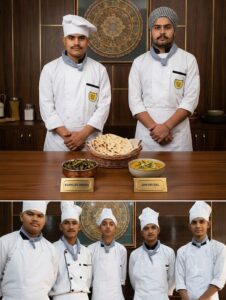
Different Cuisines and Cooking Styles
Today, hotels and restaurants serve food from many parts of the world. A trained chef should have knowledge of more than one cuisine.
At CCHM, students may receive practical exposure to different cooking styles, including Indian, Chinese, Continental and Tandoor preparations.
They may practise:
- Indian curries and gravies
- Rice preparations
- Vegetable and non-vegetarian dishes
- Chinese starters and main courses
- Continental soups and sauces
- Salads and dressings
- Tandoor items
- Basic breads
- Bakery preparations
- Desserts
- Food garnishing and plating
Learning different cuisines gives students more career options. It also helps them become flexible and creative in the kitchen.
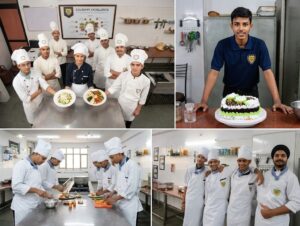
Industry-Oriented Training
Hotels and restaurants look for candidates who have practical skills, discipline and a professional attitude. A certificate alone is not enough to build a successful career.
CCHM focuses on industry-oriented education. Along with cooking skills, students may receive support in:
- Professional grooming
- Communication skills
- Spoken English
- Personality development
- Resume preparation
- Interview preparation
- Workplace behaviour
- Team communication
- Career counselling
These skills can help students perform better during internships and job interviews.
Students are also taught the importance of punctuality, regular attendance, a clean uniform and respectful behaviour. These habits are very important in the hospitality industry.
Importance of an Internship
An internship is an important part of professional training. It gives students an opportunity to experience the real working environment of a hotel, resort or restaurant.
During an internship, students may learn:
- How a professional kitchen team works
- How to follow instructions from senior chefs
- How to prepare food in larger quantities
- How to maintain food quality
- How to complete work on time
- How to follow hygiene standards
- How to work during busy service hours
- How different kitchen departments work together
An internship can help students move from a college kitchen to an industry kitchen. It gives them practical exposure and helps them become more mature and responsible.
CCHM provides internship assistance to eligible students according to available opportunities and the requirements of employers.
Placement Assistance in India
The hospitality industry in India offers many career opportunities. New hotels, restaurants, cafés, bakeries and food businesses are opening in different cities.
After completing the Diploma in Culinary Arts, students may explore opportunities in:
- Hotels
- Resorts
- Restaurants
- Cafés
- Bakeries
- Catering companies
- Cloud kitchens
- Corporate kitchens
- Hospitals
- Cruise hospitality
- Food production companies
- Institutional catering units
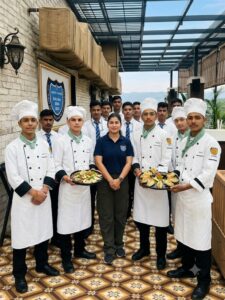
CCHM helps eligible students prepare for available job opportunities. Support may include resume preparation, interview practice, career counselling and sharing suitable vacancies.
Job selection depends on the student’s practical skills, attendance, discipline, communication, interview performance and the employer’s requirements.
Internship and Placement Opportunities Abroad
Many students dream of working in another country. International hospitality experience can help students learn about new cultures, cuisines and professional standards.
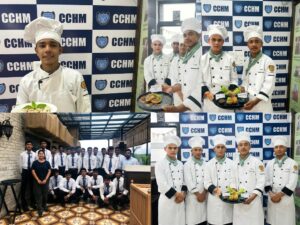
CCHM helps eligible students explore internship and placement opportunities in India and abroad. International destinations may include:
- Mauritius
- Maldives
- France
- UAE
- Dubai
- Thailand
- Germany
- Japan
- Other countries
Opportunities in Mauritius
Mauritius is a famous tourist destination with many luxury hotels and resorts. Culinary students may find opportunities in food production and kitchen departments according to available vacancies.
Working in Mauritius can help students understand resort operations and international guest service.
Opportunities in the Maldives
The Maldives is known for its luxury island resorts. Many international hotel brands operate there.
Students may get an opportunity to work in a multicultural environment and learn how resort kitchens prepare food for guests from different countries.
Opportunities in France
France is famous for its food culture, bakery and culinary traditions. Hospitality exposure in France can help students understand European cuisine and professional kitchen standards.
Opportunities depend on the student’s eligibility, employer requirements and applicable visa rules.
Opportunities in the UAE and Dubai
Dubai and other parts of the UAE have many international hotels, restaurants and hospitality companies.
There may be opportunities for trained culinary professionals in Indian, Continental, Asian and international kitchen departments.
Opportunities in Thailand
Thailand is a popular tourism destination and is also famous for its food culture. Hotels and resorts in Thailand may offer hospitality opportunities based on available positions and eligibility.
International internship or placement is not automatic. It depends on the student’s skills, course performance, communication ability, interview, passport, visa eligibility, work experience, and final selection by the employer.
CCHM’s role is to guide eligible students, help them prepare and support them in exploring suitable opportunities.
Career Options After the Course
After completing the Diploma in Culinary Arts, students can apply for entry-level positions such as:
- Commis Chef
- Assistant Chef
- Kitchen Assistant
- Indian Cook
- Continental Cook
- Chinese Cook
- Tandoor Cook
- Bakery Assistant
- Food Production Assistant
- Catering Assistant
With experience and better skills, they can move towards senior positions such as:
- Demi Chef de Partie
- Chef de Partie
- Sous Chef
- Kitchen Supervisor
- Executive Chef
- Food Production Manager
Career growth depends on skills, experience, discipline and performance. A student may begin as a kitchen trainee or Commis Chef and move towards a senior chef position over time.
Start Your Own Food Business
A Culinary Arts course is not only for students who want jobs. It can also help people who want to start their own food business.
After developing the required skills and experience, students may consider starting a:
- Restaurant
- Café
- Bakery
- Catering business
- Food truck
- Home kitchen
- Cloud kitchen
- Tiffin service
- Cake and dessert business
Professional training can help future entrepreneurs understand food preparation, hygiene, menu planning, portion control and basic food costing.
Who Can Join the Course?
Students who have completed the 10th or 12th class and are interested in cooking or the hospitality industry can enquire about admission.
Previous professional cooking experience is not required. The course starts from the basic level.
It can be a suitable choice for students who:
- Love cooking
- Want to become professional chefs
- Prefer practical learning
- Want a skill-based career
- Want to work in hotels or resorts
- Wish to explore international opportunities
- Want to start a food business
Students should be ready to work hard, attend classes regularly and practise the skills taught during the course.
Why Choose CCHM Dehradun?
Here are some important reasons to consider CCHM for culinary training:
✅ Established in 2003
✅ One of the oldest hospitality colleges in Dehradun
✅ More than 23 years of training experience
✅ Maximum practical-oriented training
✅ Approximately 80% practical and 20% theory
✅ Only 15 students in each batch
✅ Personal attention for students
✅ Experienced chef faculty
✅ Training in different cuisines
✅ Professional kitchen skill development
✅ Personality development and interview preparation
✅ Internship assistance for eligible students
✅ Placement assistance in India and abroad
✅ Career guidance and counselling
Visit the Campus Before Admission
Students and parents should visit the college before making an admission decision. A campus visit helps them understand the training facilities and course structure.
During your visit to CCHM, you can:
- See the training kitchen
- Understand the practical classes
- Meet the chef faculty
- Ask questions about the course
- Learn about the fee structure
- Understand the internship process
- Discuss placement assistance
- Receive career counselling
Parents are welcome to visit the campus with students and discuss all admission-related questions.
Turn Your Love for Cooking into a Career
A successful chef needs more than a certificate. A chef needs practical skills, discipline, creativity, patience, teamwork and a willingness to keep learning.
CCHM Dehradun focuses on practical training and professional skill development. Students are encouraged to learn by doing, improve through regular practice and prepare themselves for the hospitality industry.
If you are serious about cooking and want to build a professional career, the Diploma in Culinary Arts can be the beginning of your journey.
Admissions Open for 2026–27
Admissions are now open for the 2026–27 session. Seats are limited because only 15 students are admitted to each batch.
Contact us to receive complete information about course duration, fees, practical classes, eligibility, campus visits, internships and placement assistance.
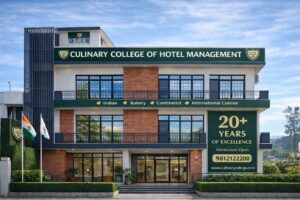
Culinary College of Hotel Management (CCHM)
Near Mall of Dehradun, Miyanwala, Haridwar Road, Dehradun, Uttarakhand
📞 Call or WhatsApp: +91 9410320693
🌐 Website: www.culinarycollege.co.in
📧 Email: culinaryddn@gmail.com
Send “CULINARY COURSE” on WhatsApp to receive complete admission information.
Important note: Internships and placements depend on the student’s eligibility, attendance, practical performance, communication skills, interview results, visa rules and final selection by the employer. CCHM provides career guidance and placement assistance to eligible students.